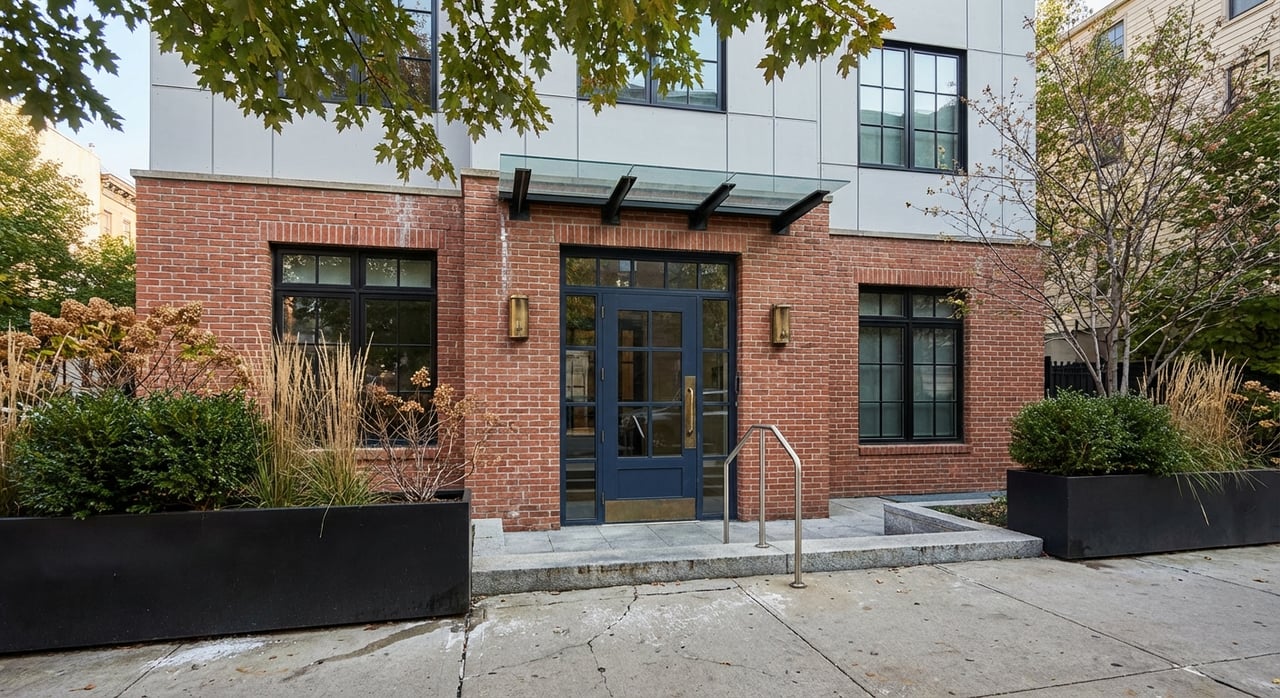
Dreaming of a walkable life by the working waterfront, with cafés, galleries, and ferries at your doorstep? Downtown Portland condos can deliver that lifestyle, but the details matter: buildings vary widely, HOA rules drive your monthly costs, and waterfront exposure and rental rules shape value. In this guide, you’ll learn how the market is moving, what to look for in each building type, which documents to review, and how to plan for parking, rentals, and flood risk. Let’s dive in.
Downtown condo scene at a glance
Old Port charm
The Old Port’s brick warehouse blocks and cobblestone streets offer boutique lofts and smaller condo conversions. You’ll find character, high ceilings, and excellent walkability, with restaurants and shops on your block. Many buildings sit in or near historic areas, which can influence exterior changes and redevelopment reviews. For context on Portland’s preservation environment, see guidance from Portland Landmarks.
India/Fore waterfront corridor
East of the Old Port, the India Street and Fore Street corridor blends newer infill condos with select waterfront conversions. These projects trade on harbor proximity, island-ferry access, and dining options. Buildings are typically smaller in footprint, so confirm how costs are spread among owners and whether developer warranties or turnover records are available.
Mid/high‑rise towers
Recent mid‑ and high‑rise buildings on the peninsula bring elevators, managed amenities, and often garage parking. Monthly dues are higher, but services are more predictable. Tower associations also face different insurance and reserve needs, which affect budget planning and owner obligations. For a primer on how full‑service buildings operate, review insights from Code Red Consultants.
Current market signals
As of late 2025, the greater Portland metro sits well above broader Maine price medians, and neighborhood data for downtown showed a median roughly in the 700–800 thousand dollar band. Downtown condos range from compact studios in older walk‑ups to newer waterfront two‑bedrooms with parking, so pricing varies by building and features. Local roundups noted fewer condo closings and some price softening in 2025 versus the prior year. If you’re buying now, that can translate to more negotiation power in certain segments, but results still depend on the building and price band.
HOA fees and your bottom line
What dues cover
HOA dues fund building insurance, exterior and common‑area upkeep, elevator contracts, snow removal, reserves, and management. Maine’s Condominium Act defines the core terms you’ll see in declarations and bylaws, including common elements and common expenses. If you’re new to condo ownership, skim the statutory definitions to anchor your reading of the documents in front of you via the Maine Condominium Act definitions.
Typical monthly ranges
Downtown Portland shows a broad spectrum. Small conversions and mid‑range buildings commonly fall around the mid‑hundreds per month, while full‑service or luxury waterfront buildings often exceed that and can go higher for large units with concierge and garage access. Low dues can look attractive but may signal underfunded reserves, which can raise the risk of special assessments. Very high dues may reflect robust services and amenities. Always verify with the actual budget and reserve study.
Financing and project approvals
Your lender reviews both you and the building. Owner‑occupancy ratios, reserves, insurance, litigation, and other project‑level items determine whether a condo is “warrantable” for common loan programs. If the project isn’t approved, your loan options and down payment could change. Ask your lender early about project eligibility and browse HUD’s overview of FHA project approvals.
Your due‑diligence checklist
Make HOA‑document review a formal contingency and request:
- Declaration, bylaws, rules, and amendments.
- Current budget, last 2–3 years of financials, the latest reserve study, and current reserve balance.
- HOA meeting minutes from the past 12–24 months.
- Master insurance certificate, coverage summary, and any open claims.
- Delinquency report, special‑assessment history, and any litigation or warranty claims.
- Management contract and long‑term service agreements (elevator, HVAC, landscaping).
- For newer buildings or conversions: permits, certificates of occupancy, developer turnover timeline, and warranty details.
If you want a quick orientation on what to scan first, this practical guide to reviewing HOA documents is a helpful reference.
Urban life: perks and trade‑offs
Walkability and ferries
Downtown/Old Port is among Maine’s most walkable areas. You can live car‑light and still access restaurants, galleries, and cultural venues. The Casco Bay ferry terminal connects you to the islands, a unique lifestyle advantage for day trips and weekend escapes. See service details via Casco Bay Lines.
Parking and storage
Many historic conversions don’t include garage parking. Newer buildings and towers are more likely to offer deeded or leased spaces, often at a premium. Confirm what your listing includes, whether there are guest options, and if parking has a separate fee that affects your monthly cost.
Noise and seasonal flow
Waterfront blocks see higher foot traffic during summer and on cruise‑ship days. If quiet evenings matter to you, visit the building at different times of day and week before you decide. Historic‑district advocacy is active downtown, so streetscapes and public‑space changes can be a factor in long‑term livability.
Flood risk and climate planning
Much of the peninsula sits at low elevations near Casco Bay. Portland has adopted resilience measures, including a Coastal Flood Resilience Overlay and updated standards for vulnerable areas. If you’re eyeing a waterfront or low‑floor unit, confirm the FEMA flood zone and ask for elevation certificates when available. Get an early quote for flood insurance and consider long‑term exposure in your resale plan. For context, review the city’s resilience initiatives and NOAA’s coastal inundation data.
Short‑term rentals and income plans
Portland requires registration for short‑term rentals. If you plan to host, confirm the building’s lease rules first, then check the city’s current program and permitting steps. Regulations evolve, so always verify the latest Short‑Term Rental registration requirements before you buy.
Match product to priorities
Professionals and pied‑à‑terre buyers
If you value dining, culture, and easy maintenance, smaller units in conversions or modern boutique buildings can be a great fit. Check soundproofing, in‑unit laundry, storage, and parking options. A central location often offsets smaller square footage.
Downsizers and retirees
Elevators, secure entries, and managed services matter. Mid‑rise or tower buildings often provide the convenience you want. Review reserves and planned capital projects to avoid large special assessments soon after closing.
Second‑home and occasional‑rent buyers
Lock‑and‑leave security and clear rental policies are key. Confirm the HOA’s lease terms and the city’s registration rules. If financing a second home or investment unit, have your lender pre‑screen the project for warrantability.
Budget and timeline planning
- Confirm your full monthly cost: mortgage, HOA dues, taxes, utilities, and any parking fees.
- Ask a condo‑savvy lender to vet project eligibility before you go under contract.
- Make HOA‑document review a contingency with specific items listed.
- If you’re near the water, add a flood‑zone check and insurance quote to your due‑diligence timeline.
- If rental income is part of your plan, verify both HOA policy and city registration steps.
How we can help
You deserve a calm, well‑managed purchase that fits your lifestyle and budget. With more than 20 years in Greater Portland and the marketing reach of a leading luxury brokerage, I help you compare buildings apples‑to‑apples, coordinate lender and attorney reviews, and spotlight details that influence value, from reserves to flood exposure. If you’re ready to explore Old Port lofts, India Street modern builds, or full‑service towers, let’s curate a smart short list and move with confidence.
Have questions or want to tour? Reach out to Melissa McKersie. Let’s connect.
FAQs
What’s unique about downtown Portland condos?
- Buildings range from historic warehouse conversions to modern towers, each with different HOA costs, parking options, and rules. Your daily experience depends on the building style and block.
How much are HOA fees downtown?
- Fees vary widely. Mid‑range buildings often land in the mid‑hundreds per month, while full‑service or waterfront buildings can be higher. Always verify with the current budget and reserve study.
Can I use my condo for Airbnb in Portland?
- Maybe. You must follow your HOA’s lease rules and the city’s Short‑Term Rental registration. Confirm both before you buy.
Do I need flood insurance near the waterfront?
- It depends on the FEMA flood zone and your lender’s requirements. For low‑lying or waterfront sites, get quotes early and review Portland’s resilience measures and NOAA’s inundation data.
What is a “warrantable” condo and why does it matter?
- Lenders assess the project’s finances, insurance, owner‑occupancy, and litigation. If a building is non‑warrantable, loan options and down payment can change. See HUD’s overview of FHA project approvals.
Do most Old Port condos include parking?
- Not always. Many historic conversions lack garage spaces. Newer buildings and towers are more likely to include deeded or leased parking, often with an added monthly cost.