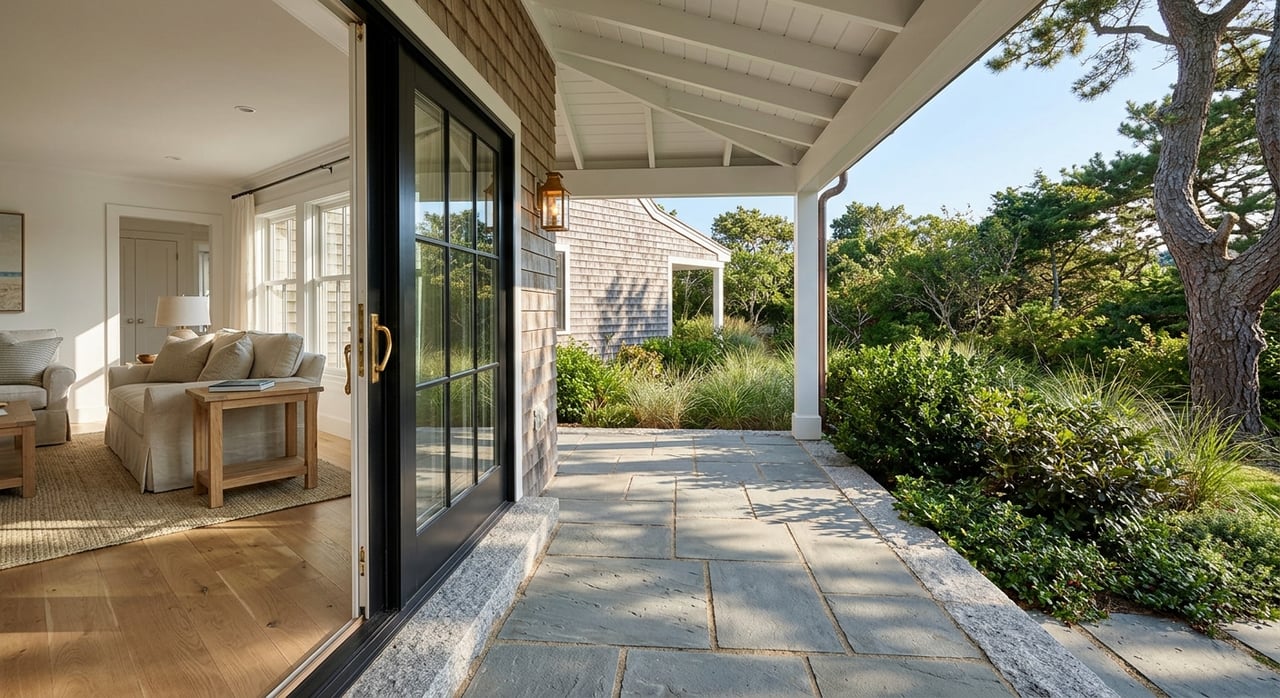
If you picture a second home in Kennebunk as a place that only comes alive in July, you are only seeing part of the story. Owning here often means building a rhythm around the seasons, with beach days in summer, quieter weekends in fall, and a real plan for winter weather and part-time upkeep. If you are thinking about buying a second home in Kennebunk, it helps to know what daily life, carrying costs, and local rules can actually look like. Let’s dive in.
Kennebunk has a true year-round feel
Kennebunk is a coastal town with a strong residential base, not just a summer destination. Census QuickFacts estimates 12,028 residents in 2024, with an owner-occupied housing rate of 80.6% and a median owner-occupied home value of $487,700.
That matters if you are considering a second home. It suggests you are buying into a town that stays active across the year, with neighborhoods, downtown routines, and local amenities that support repeat visits in every season.
Summer shapes the second-home experience
For many owners, summer is the season that defines the house. Kennebunk Beaches include Gooch's Beach, Middle Beach, and Mother's Beach, and Beach Avenue helps tie that shoreline experience together with sidewalks and easy access points.
This is often the season of established rituals. You may find yourself planning long beach mornings, family visits around the Fourth of July, and evenings that stretch just a little longer because the coast makes it easy to stay outside.
Beach access comes with local rules
Part of owning a second home here is learning the local logistics. Beach parking passes are required from June 15 through September 15, and the town’s current fee schedule lists resident window stickers at $10 each, resident guest cards at $30 each, and nonresident passes at $30 per day, $100 per week, or $200 per season.
The town says resident or taxpayer passes are purchased at Town Hall. Nonresident passes can be bought at kiosks, through the PassPortParking app, online, or at Town Hall.
For many second-home buyers, this is one of the first signs that beach life in Kennebunk has structure. A local advisor can help you understand which pass category may apply to your situation and how access works during the busiest stretch of the year.
Dog rules matter in peak season
If you bring a dog to your second home, beach rules are important to know in advance. Dogs are allowed on Gooch's, Middle, Mother's, and part of Parsons Beach, but from June 15 through Labor Day they are limited to before 9 a.m. and after 5 p.m., and they must be leashed or under voice control.
For many owners, that simply becomes part of the routine. Early walks and evening outings can be some of the best parts of the season anyway, especially when your second home is meant to slow life down.
Summer can be more walkable than you expect
One of the appealing parts of Kennebunk is that beach access is not always about driving and parking. The beaches are linked by sidewalks along Beach Avenue, and the town also notes that you can take the trolley and leave the car behind.
Mother's Beach also includes an ADA-compliant Mobi-Mat and a rentable beach wheelchair. These details reflect a shoreline experience that is designed to be used, not just admired from a distance.
Shoulder season is part of the appeal
The quieter months are a major reason many people love owning here. Nearby NOAA climate normals for the Kennebunkport coastal station show a July average high of 76.9°F and low of 57.8°F, while April, May, and October fall into a cooler transitional range.
That creates a true shoulder season. The beach may not be the center of every day, but the house can still feel very much in use.
Fall and spring still feel active
Kennebunk offers year-round anchors beyond the shoreline. The town highlights the Brick Store Museum, Hope Woods, the Eastern Trail, the Kennebunk Land Trust, the Waterhouse Center, and the downtown farmers’ market as part of local life across the seasons.
For a second-home owner, that changes the emotional value of the property. You are not only buying summer weekends. You are also buying slower mornings, walking trails, errands downtown, seasonal events, and an easier pace after the peak visitor season fades.
The lifestyle shifts, not disappears
This is often what surprises buyers in a good way. In shoulder season, Kennebunk can feel less like a getaway you must maximize and more like a place you can simply live in for a few days at a time.
You might spend a morning on the Eastern Trail, visit an exhibit at the Brick Store Museum, or head to the farmers’ market downtown. Those routines can make a second home feel more grounded and more useful over the long term.
Winter ownership requires a real plan
A second home in coastal Maine is not a property you close up and forget. Nearby climate normals show a January average high of 32.7°F and low of 13.1°F, along with about 48.9 inches of annual snowfall.
Maine Emergency Management Agency also identifies flooding as one of the state’s most frequent and damaging natural hazards, noting that coastal flooding can be worsened by storm surge, heavy rainfall, damaging waves, and sea-level rise. In practical terms, that means winter planning matters.
Part-time ownership needs coordination
If you only use the home part of the year, you will want to think through how it will be managed during colder months and stormier stretches. Even buyers who love the seasonal rhythm of Kennebunk benefit from approaching ownership with a practical checklist, not just a lifestyle vision.
That may include how the home is prepared before winter, how often it is checked, and what systems or maintenance items need regular attention. For many buyers, this is where local guidance becomes especially valuable.
Carrying costs are part of the equation
Second-home ownership in Kennebunk comes with the same need for careful budgeting as any other real estate purchase. The town’s tax history shows a 2025-2026 tax rate of $9.85 per $1,000 of assessed value, with due dates listed as October 31 and April 10.
At that rate, a home assessed at $1 million would carry about $9,850 per year in town tax. If you are evaluating whether a property works for your goals, that kind of number belongs in the conversation early.
Primary-residence tax benefits do not apply
Maine’s homestead exemption is limited to a primary residence. The state says camps, vacation homes, and second residences do not qualify.
For second-home buyers, that is an important distinction. It means ownership should be evaluated with full carrying costs in mind rather than assuming the same tax treatment as a primary home.
Renting the home adds another layer
Some buyers consider offsetting costs by renting a second home for part of the year. If that is part of your plan, Kennebunk’s short-term rental rules matter.
The town defines short-term rentals as dwellings rented for fewer than 15 days. Registration is required effective January 1, 2025, units must be inspected by Kennebunk Fire Rescue, and the town lists a $250 fee for new applications and $150 for renewals.
Compliance should be part of your purchase planning
These rules do not make renting impossible, but they do mean you should understand the process before you buy. If rental use is important to your decision, it helps to review how the property may fit your intended use and what local compliance will involve.
That kind of early clarity can save time and reduce surprises later. It also helps you compare properties based on how you truly plan to use them.
What owning a second home here really feels like
In the end, owning a second home in Kennebunk is often about repetition in the best sense. You open the house in spring, organize summer around the beach, enjoy quieter weekends in fall, and prepare carefully for winter.
It is a lifestyle shaped by local routines more than one-time spectacle. The appeal is not only the coastline itself, but the way the town supports recurring visits, slower habits, and a sense of place that extends beyond peak season.
If you are exploring whether a second home in Kennebunk fits your lifestyle and goals, working with a local advisor can make the process far more informed and far less stressful. Melissa McKersie offers hands-on guidance for buyers who want clear insight, thoughtful coordination, and a smoother path to coastal Maine ownership.
FAQs
What is second-home living like in Kennebunk year-round?
- Second-home living in Kennebunk typically follows a seasonal rhythm, with beach-focused summers, active but quieter spring and fall visits, and more planning required for winter weather and part-time upkeep.
What beach pass rules should second-home owners know in Kennebunk?
- In Kennebunk, beach parking passes are required from June 15 through September 15, and the town lists different pass types and fees for residents, taxpayers, guests, and nonresidents.
What are the dog rules for Kennebunk beaches in summer?
- In Kennebunk, dogs are allowed on several beaches, but from June 15 through Labor Day they are limited to before 9 a.m. and after 5 p.m., and they must be leashed or under voice control.
What taxes should second-home buyers expect in Kennebunk?
- Kennebunk’s 2025-2026 town tax rate is $9.85 per $1,000 of assessed value, and Maine’s homestead exemption does not apply to vacation homes or second residences.
What should buyers know about short-term rentals in Kennebunk?
- Kennebunk defines short-term rentals as dwellings rented for fewer than 15 days and requires registration, an inspection by Kennebunk Fire Rescue, and applicable application or renewal fees.
What makes Kennebunk appealing beyond summer for second-home owners?
- Kennebunk offers year-round points of interest such as the Brick Store Museum, Hope Woods, the Eastern Trail, the Waterhouse Center, and the downtown farmers’ market, which helps the town stay active outside peak beach season.