Moving to Greater Portland can feel exciting and overwhelming at the same time. You want to get settled quickly, but you also do not want to rush into the wrong neighborhood, commute, or housing style. That is exactly why many buyers land in South Portland first: it gives you a practical home base with coastal access, varied housing, and easy connections to the wider region. Let’s dive in.
Why South Portland works first
If you are relocating to Greater Portland, South Portland offers something many buyers need right away: a manageable starting point. The city has nearly 27,000 residents and about 14 square miles of land, which means you can learn the area without feeling spread too thin.
At the same time, South Portland keeps you connected. According to the city, I-295, the Maine Turnpike, and Route 1 all run through South Portland, with access to air, marine, rail, and highway transportation options. That makes it easier to explore Portland, Cape Elizabeth, Scarborough, Falmouth, and other nearby communities while you settle in.
A practical base with real lifestyle appeal
South Portland is not just convenient. It also gives you a feel for the coastal Maine lifestyle many buyers are looking for when they move here. The city describes itself as a blend of a working waterfront, a regional airport, a major shopping area, residential neighborhoods, and coastal recreation.
That mix matters when you are new to the region. You can handle everyday logistics, get familiar with the market, and still enjoy waterfront views, beach access, and neighborhood business districts while you decide what your long-term fit looks like.
Neighborhood variety helps you learn the region
One of South Portland’s biggest strengths is that it does not feel like one uniform place. The city’s planning documents show a long history of neighborhood-level planning, including Ferry Village, Willard, and Knightville/Mill Creek. For you as a relocating buyer, that means you can experience very different settings without leaving the same city.
This can be especially helpful if you are still deciding what matters most. Maybe you think you want a quieter coastal setting, then realize you prefer being near shops and services. Or maybe you start by prioritizing convenience and later decide to search for more privacy or more land elsewhere in Greater Portland.
Willard offers coastal neighborhood charm
Willard Square is planned as a mixed residential and business district with housing, retail, services, public transportation, employment, and recreation within walking distance. That village-like structure can be appealing if you want a neighborhood feel with daily convenience.
You also have access to one of South Portland’s best-known waterfront spots. The city describes Willard Beach as a small sand-and-pebble beach in a quiet neighborhood, with views across Casco Bay plus practical features like parking and a bathhouse. For many newcomers, that balance of scenery and ease is a strong first impression of the area.
Knightville and Mill Creek support daily convenience
Knightville and Mill Creek are shaped around walkable access to shops, services, parks, open space, and trails. Planning in the area also includes a mix of affordable and market-rate housing, which reflects a broader range of options than some buyers expect.
If you are relocating and want to simplify your first year, this kind of layout can help. You may be able to live near many of the places you need most while you learn commute patterns, seasonal traffic, and which parts of Greater Portland best match your routine.
Ferry Village has a mixed housing pattern
Ferry Village stands out for its mixed housing stock, shoreline access, sidewalks, walkways, bikeways, and historic neighborhood character. For buyers who want a sense of place and a connection to the water, it often represents another side of South Portland worth understanding early in your search.
This is one reason South Portland works well as a first landing spot. You can try out a neighborhood with strong local identity now, then later decide whether you want to stay in South Portland or make a move elsewhere in the region.
The housing mix gives you flexibility
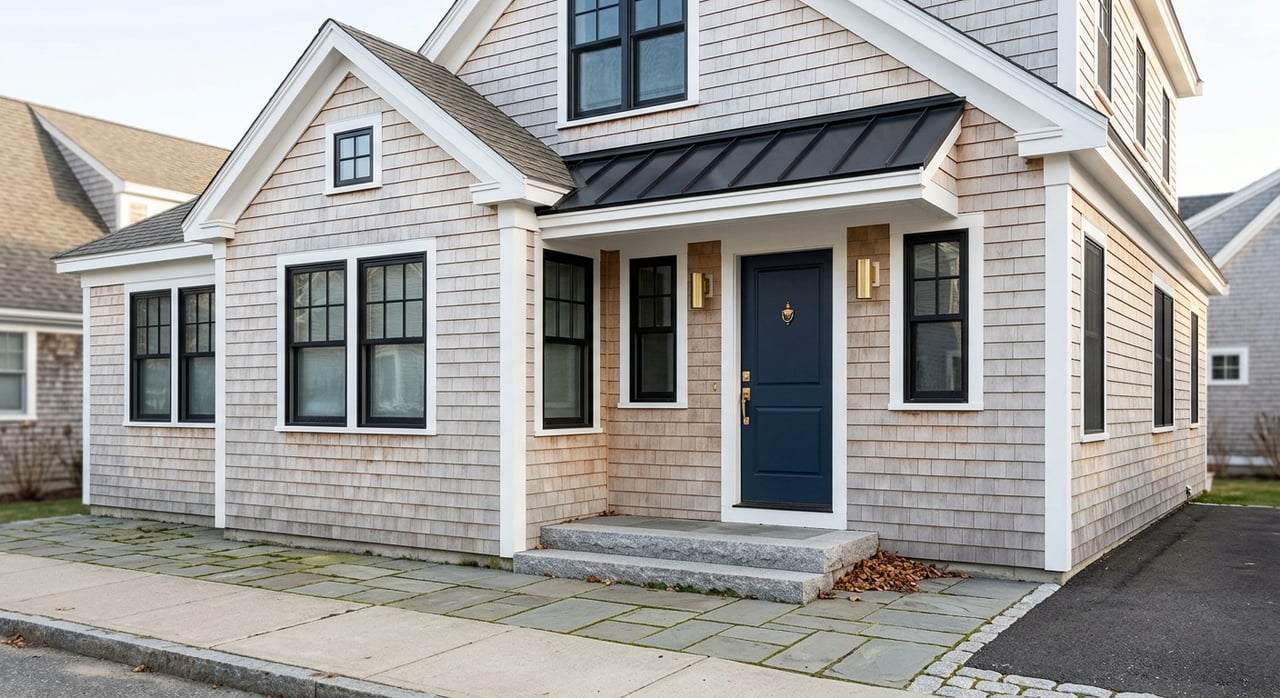
Relocating buyers rarely have perfect information on day one. You may not know yet whether you want a condo alternative, a classic New England-style house, a duplex setup, or a larger single-family home. South Portland’s housing mix gives you room to make a smart short-term decision without locking yourself into one lifestyle too soon.
The city’s housing assessment found that about 63.4% of housing units were single-family and 36.4% were multi-family, with only a very small share in other categories. The same report noted a broad range of home styles in recent sales, including Capes, bungalows, one-story homes, raised ranches, split-levels, duplexes, family flats, and modern or contemporary homes.
That variety can be valuable if your move is happening in stages. You might begin with a low-maintenance option close to services, then reassess after you have spent more time in the area and understand your long-term goals more clearly.
South Portland makes the transition easier
A relocation is about more than buying a home. It is also about making daily life work as smoothly as possible while everything still feels new. South Portland checks a lot of those boxes.
South Portland Schools says the district serves more than 2,770 students across five elementary schools, a middle school, a high school, and adult education. The city also notes that South Portland is home to two private schools and Southern Maine Community College. For households managing a move, that kind of established local infrastructure can help simplify planning.
Errands also matter more than people expect during a relocation. The city states that South Portland is home to northern New England’s largest shopping complex, the Maine Mall. Having major retail close by can make those first months easier, whether you are furnishing a home, replacing items, or just getting through the daily list.
Outdoor access adds everyday quality of life
Many buyers moving to coastal Maine want more than a house. They want a lifestyle that feels connected to the outdoors. South Portland delivers that in a very accessible way.
The Greenbelt Walkway is a three-mile paved trail that crosses several neighborhoods and offers views of Portland Harbor and Casco Bay. The city also says it is the eastern terminus of the Eastern Trail. That gives you an easy way to explore different parts of the city while getting a real sense of how neighborhoods connect.
The city’s residents guide says parks crews manage more than 350 acres of green space. Add in waterfront areas like Bug Light Park, marinas, and Willard Beach, and South Portland starts to look less like a temporary stop and more like a place where you can genuinely enjoy daily life while you make longer-term plans.
Transit and mobility support a soft landing
If you are new to the region, easy mobility can lower stress fast. As of late 2024, Greater Portland Metro provides bus service to South Portland, and the city says the schedules serving South Portland remained the same after the merger.
The city has also invested in active transportation through its Complete Streets policy and neighborhood byways. One example is the Thornton-Cash route, which connects Thornton Heights, Cash Corner, and Ligonia through local streets and trail connections. For a relocating buyer, that means you have multiple ways to get around while you learn the area.
A smart first stop still calls for due diligence
South Portland may be a strong place to begin, but smart buyers should still evaluate long-term fit carefully, especially near the water. Coastal access is part of the city’s appeal, yet it also comes with planning considerations.
The city’s 2026 residents guide says South Portland and the Greater Portland Council of Governments developed coastal flooding maps showing streets and neighborhoods that may be vulnerable to flooding from sea-level rise, high tides, and major storms over the next 25 to 75 years. If you are considering a waterfront or water-adjacent home, it is important to review flood exposure and think through insurance and future use before treating that purchase as your forever plan.
This does not make South Portland a less appealing option. It simply reinforces why it works so well as a first move for many buyers. You can get established in a well-connected coastal city, learn the nuances of the local market, and make your next decision from a much stronger position.
Why many buyers start here
When you put it all together, South Portland offers a rare combination of convenience, neighborhood variety, housing flexibility, and coastal character. It gives you enough infrastructure to make the move easier and enough personality to help you feel connected to the region right away.
For many relocating buyers, that is exactly the right first step. You do not have to solve every long-term question before you arrive. You just need a smart place to begin, and South Portland often fits that role exceptionally well.
If you are planning a move to Greater Portland and want guidance on where to start, Melissa McKersie offers hands-on relocation support, local neighborhood insight, and personalized buyer guidance to help you land with confidence.
FAQs
Why do relocating buyers choose South Portland first in Greater Portland?
- South Portland offers a compact layout, access to major roads, bus service, varied neighborhoods, and a mix of housing types, which can make it easier to settle in before choosing a long-term location.
What is the housing mix like in South Portland, Maine?
- South Portland has a mix of single-family and multi-family housing, with about 63.4% single-family units and 36.4% multi-family units in the city’s housing assessment, plus a range of home styles from Capes and bungalows to duplexes and contemporary homes.
What neighborhoods should you explore in South Portland when relocating?
- Many buyers start by exploring areas like Willard, Knightville/Mill Creek, and Ferry Village because each offers a different mix of housing, walkability, coastal access, and neighborhood character.
Is South Portland, Maine convenient for commuting and errands?
- Yes. The city is served by I-295, I-95, and Route 1, has Greater Portland Metro bus service, and includes major retail amenities such as the Maine Mall, which can help simplify daily life during a move.
What should buyers know about coastal homes in South Portland?
- Buyers should review local flood exposure carefully, especially near the waterfront, because the city’s coastal flooding maps identify areas that may be vulnerable to flooding from sea-level rise, high tides, and major storms over time.