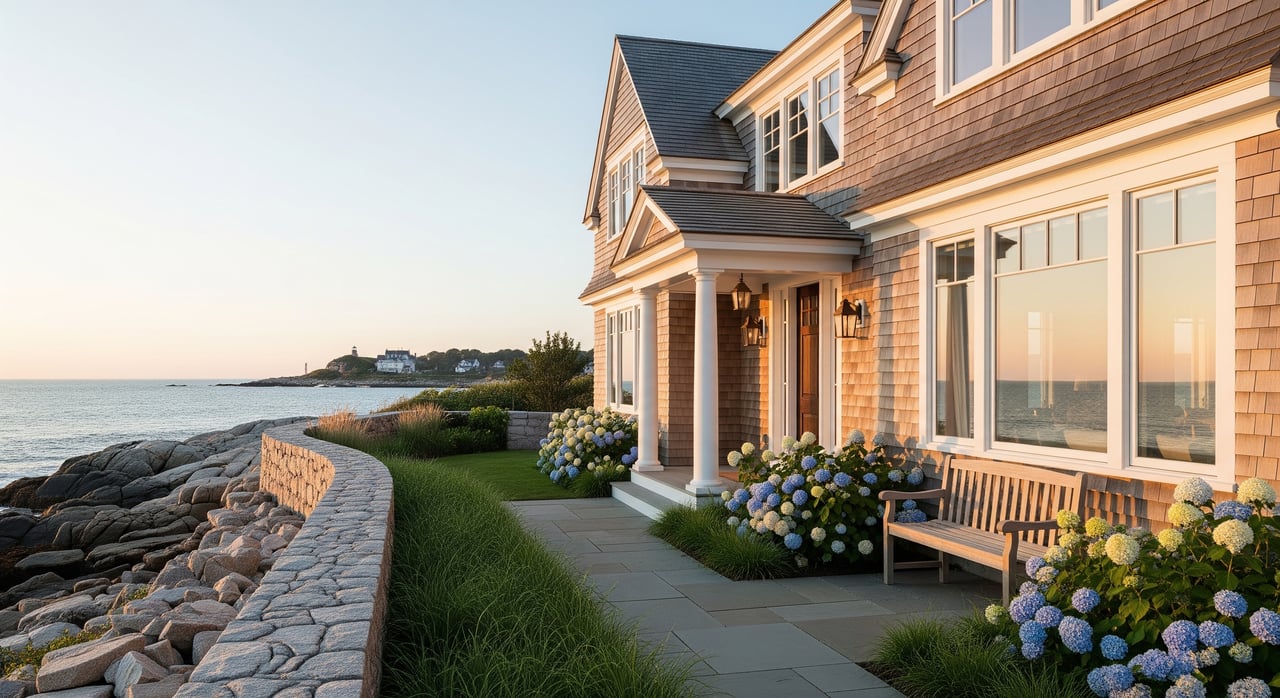
Thinking about selling your coastal home in Cape Elizabeth? You know your views and setting are special, but coastal properties come with unique details that today’s buyers will scrutinize. You want a smooth sale, strong offers, and confidence from contract to close. This guide walks you through exactly how to prepare, market, and price your home for this shoreline market, so you step onto the market ready. Let’s dive in.
Know your Cape Elizabeth buyer
Cape Elizabeth attracts a mix of serious, well-qualified buyers. Many are local downsizers, second-home or seasonal buyers from southern New England, and Portland-area professionals who value lifestyle and easy access to town. They prioritize turnkey condition, livable outdoor spaces, and clear answers on flood zones and insurance.
Buyers also respond to proximity to parks and the shoreline, including Two Lights State Park and Crescent Beach. Seasonality can influence activity and days on market, so it is smart to align your timing with current local data. A comparative market analysis tailored to view, access, and condition will help you set the right strategy.
Get ahead of permitting and flood details
Coastal homes benefit from clear documentation. Flood zone classification affects mortgage and insurance, so buyers and lenders will ask about your FEMA Flood Insurance Rate Map status and whether you have an Elevation Certificate. Providing a recent certificate and your flood insurance history reduces uncertainty for buyers.
If your property includes shoreline work such as seawalls, riprap, or grading, confirm what was permitted and when. Coastal projects can require approvals from the Town of Cape Elizabeth Code Enforcement, the Maine Department of Environmental Protection, and in some cases the U.S. Army Corps of Engineers. Gather permit records and be ready to disclose any non-permitted work.
Sea-level rise and coastal storm risk are part of today’s due diligence for coastal homes. If you have reports or professional assessments, keep them handy. For buyers, transparency builds confidence and helps keep your sale on track.
Insurance and financing can also be nuanced for high-exposure properties. Flood insurance premiums, lender requirements, and association reserves for condominiums may influence underwriting. Anticipate these questions and prepare documents before you list.
Pre-listing inspections that pay off
A pre-listing home inspection led by a coastal-savvy inspector is one of the best investments you can make. Salt air, wind, and moisture can accelerate wear on roofs, decks, railings, fasteners, and exterior finishes. An inspection based on professional standards helps you identify issues early and plan smart fixes or disclosures.
If your home has a septic system or private well, schedule a septic inspection and pump-out and test well water. Many coastal buyers expect recent documentation. Service your HVAC, check your chimney and fireplaces, and confirm that drainage routes water away from your foundation.
Use this prioritized checklist to focus your efforts:
- High priority
- Pre-listing home inspection with coastal expertise.
- Roof, gutters, and flashing repair or documentation of recent replacement.
- Decks, railings, and stairs safety and code compliance.
- Drainage and grading improvements and erosion fixes.
- Septic inspection and pump-out, well water test if applicable.
- Proof of permits for major work including seawalls and additions.
- Medium priority
- Repair or replace window seals and exterior doors; consider storm protection.
- Exterior painting, trim, and siding repair using finishes suited to salt air.
- HVAC and hot water service with clean records.
- Chimney and fireplace checks, especially for older homes.
- Cosmetic
- Kitchen and bath refreshes with paint, hardware, and updated lighting.
- Interior painting, flooring cleaning, and minor repairs.
- Simple landscaping and curb appeal updates.
Repairs and refreshes with the best ROI
Some pre-listing investments bring outsized returns in this market. Sellers often see strong results from a clean, neutral interior palette, thoughtful staging, and professional media. Exterior maintenance is especially important for coastal homes where salt and wind can show on trim and siding. Addressing structural or mechanical concerns like roof issues or septic systems protects your transaction and can prevent renegotiations later.
In general, prioritize safety and function first, then move to high-impact presentation. Small upgrades in kitchens and baths can modernize the feel without overcommitting to a full renovation.
Stage for surf, sky, and space
Staging should frame your home’s best features. Start by maximizing views: remove heavy window coverings and position furniture to orient toward the water. Keep décor neutral and warm. Light neutrals with soft blue or green accents feel coastal without looking themed.
Highlight outdoor living. Dress decks, patios, and lawn areas with marine-grade furnishings, outdoor rugs, and a few layered textures. The goal is to show usable space that stands up to moisture. Scale matters too. Right-size furniture so rooms feel open and livable, not empty or cramped.
Marketing that captures the coastline
Professional media is essential. High-resolution photography, both from the land side and the water side, helps buyers understand your setting and your sightlines. Include interior shots that pull the view into the room and consider twilight images that showcase glow and ambiance.
Drone photography and video can highlight your relationship to the shoreline, proximity to parks, and the surrounding landscape. Ensure your drone operator follows FAA rules and any local restrictions. Provide accurate floor plans and a virtual tour, especially for out-of-state or seasonal buyers who rely on digital previews.
Give buyers geographic context. Mention nearby landmarks and distances to Two Lights State Park, Crescent Beach, and Portland. This helps buyers visualize daily life and weekend routines.
Seasonality matters. Many Cape Elizabeth properties show best from late spring through early fall when landscaping is lush and access is easy. That said, low winter inventory can work to your advantage. Align timing with your local market strategy rather than sticking to a fixed calendar.
Curb appeal and landscape built for salt air
Landscape with coastal conditions in mind. Salt-tolerant, low-maintenance native plants that perform well in southern Maine, such as coastal grasses, bayberry, rugosa rose, and beach plum, can elevate curb appeal while reducing upkeep. Keep entries and paths in good condition and make sure access to shoreline amenities is safe and clear.
Manage lawn-to-shore transitions with plantings that stabilize soil and minimize erosion. If your property includes seawalls, riprap, or other shoreline features, disclose them along with any maintenance and permit history. Buyers will weigh the protection these features provide against their age and condition, so clear records are helpful.
Build a bulletproof disclosure packet
Prepared sellers inspire buyer confidence. Gather these materials and have them available from day one:
- Recent inspections, including home and septic, plus service records for HVAC and water systems.
- An Elevation Certificate and current flood insurance declarations if your home is in or near a flood zone.
- Copies of permits for renovations, shoreline structures, and any as-built drawings.
- HOA or association documents and reserve details if applicable.
- Lead-based paint disclosure for homes built before 1978.
- Utility and tax information, property survey, and deed.
Having a thorough disclosure packet shortens due diligence, reduces contingencies, and supports cleaner offers.
Smart pricing and timing
Price should reflect more than square footage. View quality, water access, recent maintenance, flood zone classification, and documentation all influence value. Use a comparative market analysis that adjusts for waterfront and water-view features, condition, and buyer expectations for Cape Elizabeth.
Plan 4 to 8 weeks for inspections, repairs, staging, and media. If exterior work requires permits, build in extra time. Coordinate your launch with local market rhythms and your preparation timeline so you hit the market polished and ready.
Your pre-listing team
Selling a coastal home is a team effort. Consider engaging:
- A local real estate advisor with Cape Elizabeth coastal experience and luxury marketing capabilities.
- A home inspector with coastal expertise focused on moisture, foundations, and decks.
- Licensed septic and well professionals where applicable.
- A structural engineer if you have older seawalls, retaining walls, or noticeable foundation concerns.
- A professional stager experienced in high-end coastal presentation.
- A photographer and drone operator who understand real estate and FAA compliance.
- A landscape professional who specializes in native plantings and erosion control.
With the right team, you can preempt common objections and present a home that feels both stunning and secure.
Ready to list with confidence
Selling your Cape Elizabeth coastal home is about positioning. When you handle inspections, permits, flood details, and presentation upfront, you remove friction and help qualified buyers say yes faster. A clear plan and elevated marketing are your best tools for a strong result.
If you want a hands-on partner to coordinate every step, from valuation and staging to premium marketing and negotiation, connect with Melissa McKersie. You will get boutique, white-glove guidance backed by the global reach of Legacy Properties Sotheby’s International Realty.
FAQs
What flood documents do I need when selling a Cape Elizabeth coastal home?
- Provide a recent Elevation Certificate, your flood insurance declarations, and your FEMA flood map panel information. These items help buyers and lenders assess risk and affordability.
Do I need permits for seawall or shoreline repairs before listing in Cape Elizabeth?
- Many shoreline projects require approvals from the Town of Cape Elizabeth, the Maine DEP, and sometimes the U.S. Army Corps of Engineers. Confirm permit history and disclose it to buyers.
What pre-listing inspections are most important for a Maine coastal property?
- A comprehensive home inspection with coastal focus, septic inspection and pump-out, well water testing if applicable, roof and deck evaluations, HVAC servicing, and a chimney check are high priorities.
When is the best time to list a Cape Elizabeth waterfront or water-view home?
- Late spring through early fall often shows properties at their best, but low inventory in other seasons can create opportunity. Align your timing with current local market data and your preparation schedule.
How should I price a Cape Elizabeth home with ocean views and coastal amenities?
- Use a comparative market analysis that adjusts for view quality, water access, recent maintenance, and flood zone classification. Documentation and turnkey condition can support stronger pricing.
How can staging help my Cape Elizabeth coastal home sell faster?
- Staging maximizes views, showcases outdoor living, and creates a clean, neutral look that photographs well. Buyers picture themselves in the space, which can lead to more showings and better offers.