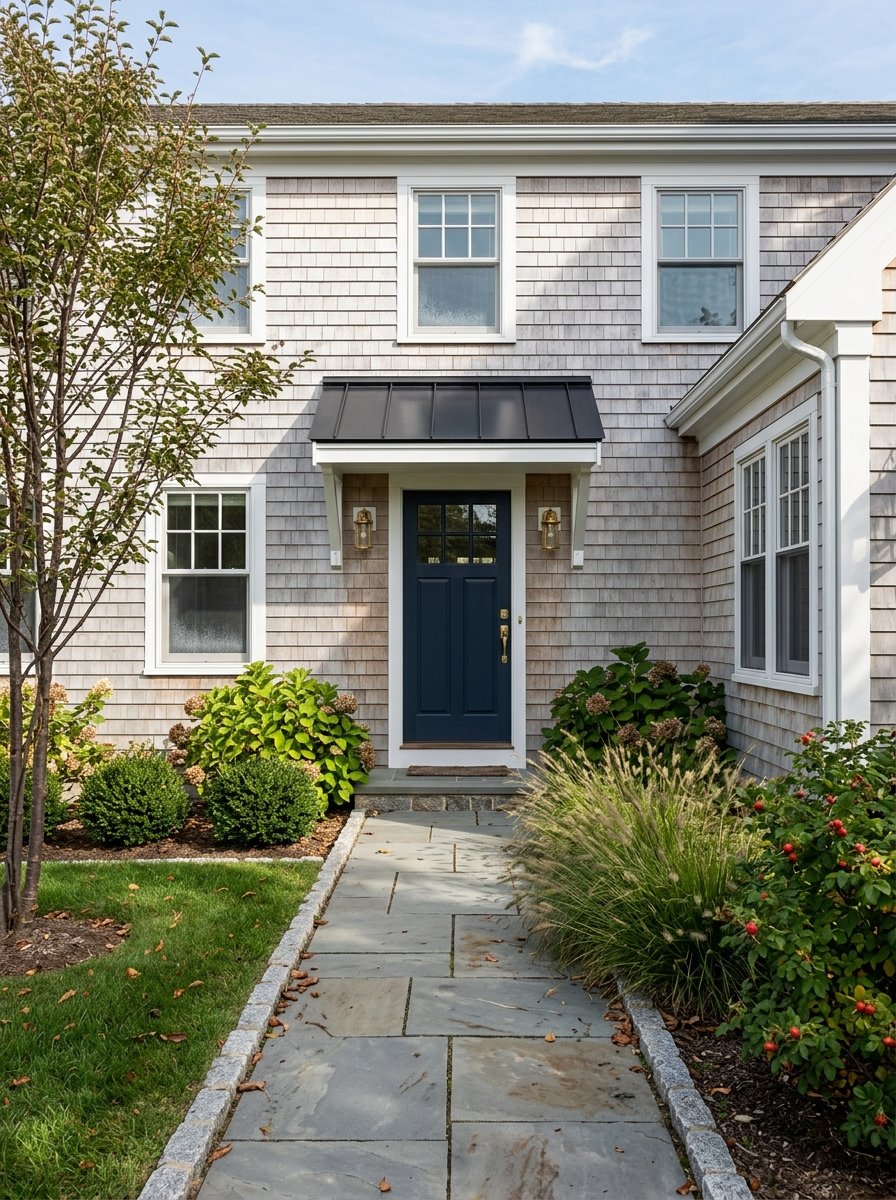
If you are thinking about buying a second home in Kennebunk, one question can shape almost every part of the search: do you want a private escape, a seasonal rental, or a little of both? That choice affects zoning review, taxes, carrying costs, and how much flexibility you really have after closing. If you set your plan early, you can shop smarter and avoid surprises later. Let’s dive in.
Why your use plan matters first
In Kennebunk, the same property can feel very different on paper depending on how you plan to use it. A home that works beautifully as a personal retreat may not be the right fit for short-term rental use, especially if local rules, safety requirements, or association restrictions come into play.
That is especially important because Kennebunk includes multiple zoning districts and overlays, including Coastal Residential, Shoreland Overlay, Downtown Business, and Village and Rural districts. The town’s zoning framework also speaks directly to safety, flooding, and neighborhood amenities, which makes parcel-level review an important part of the buying process.
Personal retreat: the simpler path
If your goal is a second home for your own use, this is generally the simplest ownership model. You can focus more on lifestyle, location, and how the property fits the way you want to spend time in Kennebunk.
From a compliance standpoint, a pure personal-use second home does not fall into Maine’s lodging tax rules for rental activity. You would still need to plan for ordinary ownership costs, including property taxes, insurance, and maintenance.
One detail many buyers miss is the homestead exemption. In Maine, that exemption applies to a primary residence, not to camps, vacation homes, or second residences, so you should not build that tax relief into your second-home budget.
Seasonal rental: more moving parts
If you want your Kennebunk property to generate income through short stays, the rules matter much more. In Kennebunk, a short-term rental is any dwelling unit or accessory dwelling unit rented for fewer than 15 consecutive days.
Beginning January 1, 2025, the town requires short-term rental registration through the Town Clerk. That process includes a fire-safety inspection and annual renewal, and each unit needs its own separate registration.
The town’s current materials list a $250 fee for a new application and $150 for a renewal. Kennebunk also requires the town-issued registration number to be displayed in the home and included in all advertising.
For many buyers, the bigger takeaway is this: you cannot assume a property is plug-and-play as a rental. You need to confirm that the property is eligible, that it can meet safety standards, and that you are prepared for annual registration and inspection requirements.
Hybrid use: possible, but plan carefully
A lot of second-home buyers want both enjoyment and flexibility. You may want to use the home yourself for part of the year and rent it seasonally when you are away.
That can work in Kennebunk, but only if the property is legally eligible for short-term rental use and you are ready to follow the town’s process. The application materials note that a fire inspection is scheduled after a complete application is submitted, and the ordinance requires annual inspection for each renewal.
Kennebunk also provides a Good Neighbor Policy that operators must give to renters. That is a reminder that hybrid ownership is not just a financial decision. It also comes with ongoing management and compliance responsibilities.
Kennebunk costs to factor into your decision
Before you decide whether a second home is mainly a lifestyle purchase or a rental play, it helps to run the numbers with realistic local costs in mind. In Kennebunk, those costs can change the picture quickly.
Property taxes
Kennebunk’s current property tax rate is $9.85 per $1,000 of valuation, with an assessment ratio of 100%. Using that rate, a home with a taxable value of $1 million would imply about $9,850 in annual town property tax before any special circumstances.
Because second homes do not qualify for the Maine homestead exemption, buyers should budget based on full carrying costs. That matters whether the home is used only by you or part-time as a rental.
Transfer tax at purchase
Maine’s real estate transfer tax is $2.20 for each $500 of value, split equally between buyer and seller. On a $1 million purchase, that works out to about $4,400 total, or roughly $2,200 per side.
That may not be the biggest line item in your closing costs, but it is still worth including in your upfront cash planning. Transfers on or after November 1, 2025 also face an additional tax above the $1 million threshold.
Lodging tax for rentals
If you plan to rent the property, Maine Revenue Services says anyone engaged in the rental of living quarters in Maine must register as a retailer. The current tax on rental of living quarters is 9%, and the bulletin states that it applies to casual rentals and online bookings as well.
For out-of-state owners, there may be more paperwork to expect. Maine Revenue Services also notes that nonresident rental property is treated as Maine business activity, which signals rental income reporting work in Maine.
Search differently based on your goal
The smartest second-home search in Kennebunk starts with clarity. Once you know whether the property is mostly for personal use, mostly for rental income, or somewhere in between, you can narrow your priorities and avoid chasing the wrong inventory.
If you want a personal getaway
A personal retreat lets you choose for lifestyle first. You may care most about how the home feels, how easy it is to maintain, or how well it fits your weekends and summers in coastal Maine.
In that case, your due diligence still matters, but the checklist is often simpler. You are mostly underwriting annual taxes, insurance, maintenance, and your purchase costs rather than a rental operation.
If you want rental flexibility
If income is part of the plan, your search needs a different filter. Legal short-term rental eligibility, fire and life-safety readiness, registration logistics, and management details should be reviewed before you get too far emotionally attached.
Kennebunk’s materials also require owner and manager contact information, and they do not accept a post office box without a street address. If you will not be nearby year-round, that practical detail can affect how you plan for oversight and guest support.
If you are buying in a condo or HOA
Condo and HOA properties need extra attention. Kennebunk’s short-term rental materials say the applicant must provide evidence that short-term rentals are not prohibited by the association documents.
That means a property can look appealing on a rental spreadsheet but still be limited by governing documents. It is one more reason to verify use restrictions early rather than treat rental potential as an assumption.
A practical Kennebunk due diligence checklist
Before you make an offer on a Kennebunk second home, it helps to answer a few clear questions:
- Is the property intended for personal use, seasonal rental use, or both?
- What zoning district and overlays apply to the parcel?
- If rental use is part of the plan, is short-term rental use allowed?
- Can the property meet the town’s fire-safety inspection requirements?
- If the property is in a condo or HOA, do the governing documents allow short-term rentals?
- What are the annual carrying costs, including property taxes, insurance, and maintenance?
- If you plan to rent, have you accounted for the 9% Maine lodging tax and related reporting work?
- If you live out of state, who will serve as the local manager or responsible contact if needed?
The bottom line for Kennebunk buyers
In Kennebunk, the question is not just which home you love most. It is whether that property truly fits the way you want to own it.
A personal retreat is often the simpler and more lifestyle-driven path. A seasonal rental can add flexibility and income potential, but it also brings registration, inspection, tax, and management obligations that should be understood upfront.
For many buyers, the best result comes from deciding on the ownership strategy before the home search begins. That clarity makes it easier to evaluate zoning, costs, and day-to-day practicality with confidence.
If you are weighing a Kennebunk second home and want a clear, local perspective on how to match the property to your goals, Melissa McKersie can help you navigate the search with thoughtful guidance and hands-on support.
FAQs
What counts as a short-term rental in Kennebunk?
- In Kennebunk, a short-term rental is any dwelling unit or accessory dwelling unit rented for fewer than 15 consecutive days.
Does a Kennebunk second home qualify for Maine’s homestead exemption?
- No. Maine limits the homestead exemption to a primary residence, and camps, vacation homes, and second residences do not qualify.
What is the Kennebunk property tax rate for second homes?
- Kennebunk’s current property tax rate is $9.85 per $1,000 of valuation, with an assessment ratio of 100%.
What does Kennebunk require for short-term rental registration?
- Beginning January 1, 2025, the town requires registration through the Town Clerk, a fire-safety inspection, annual renewal, and a separate registration for each rental unit.
Can a buyer use an existing Kennebunk short-term rental registration after closing?
- No. The town’s materials state that short-term rental registrations are not transferable to a new owner.
Do condo and HOA rules matter for Kennebunk short-term rentals?
- Yes. If the property is in a condominium or HOA, the applicant must provide evidence that short-term rentals are not prohibited by the association documents.
What Maine tax applies if you rent out a Kennebunk second home?
- Maine applies a 9% tax on the rental of living quarters, including casual rentals and online bookings, and rental operators must register as a retailer.