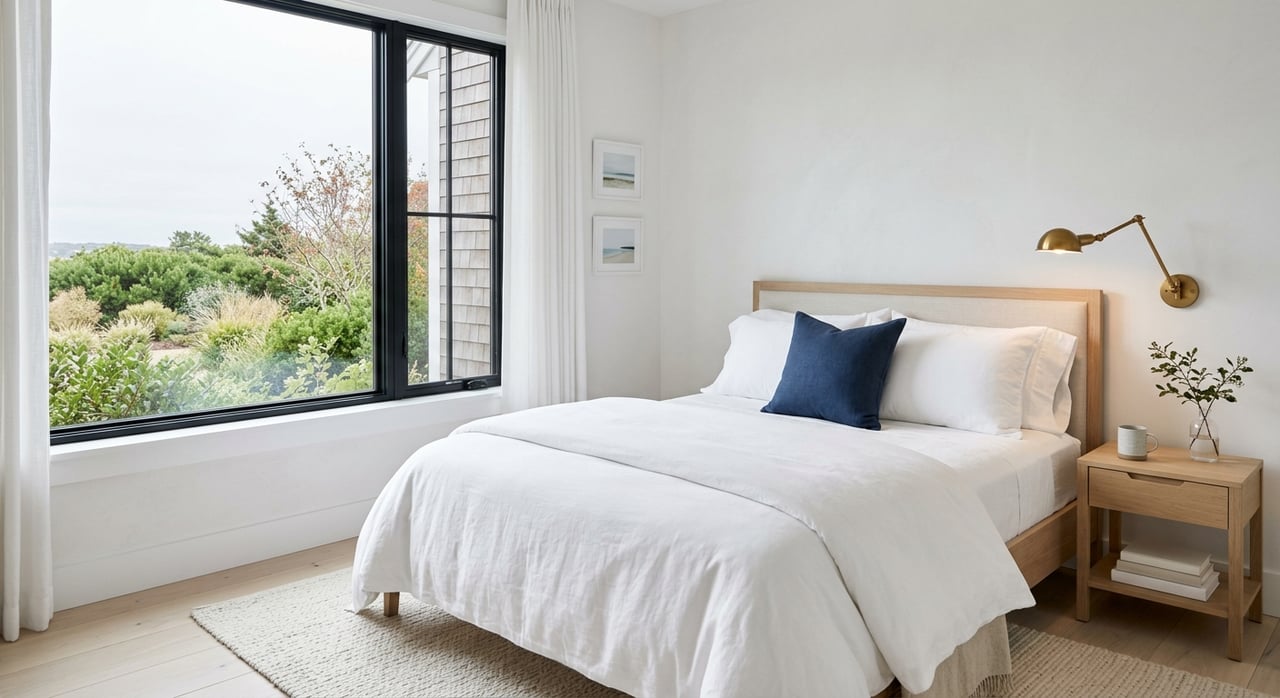
If you plan to welcome guests to your Kennebunk vacation home, a pretty space is only part of the job. You also need to think through safety, town rules, seasonal upkeep, and the small details that help guests feel comfortable from the moment they arrive. When you get those pieces right, you protect your property, reduce stress, and create a smoother experience for everyone. Let’s dive in.
Start With Kennebunk Rules
Before you focus on linens, decor, or kitchen extras, make sure your home is set up to meet local requirements. In Kennebunk, a short-term rental is any dwelling unit rented for fewer than 15 days.
Effective January 1, 2025, short-term rentals must be registered with the Town Clerk. The town also inspects these properties through Kennebunk Fire Rescue, and current fees are $250 for new registrations and $150 for renewals. If you are preparing your second home for guest use, this is one of the first boxes to check.
You should also build your guest plan around Kennebunk’s Good Neighbor Guide. It includes practical rules on quiet hours, approved on-site parking, beach pass timing from June 15 through September 15, trash and recycling expectations, and reminders that large events may fall under other ordinances.
Make Safety Your First Priority
A guest-ready home should feel easy and relaxing, but it also needs a strong safety foundation. Kennebunk’s short-term rental safety guidance, based on NFPA recommendations, gives owners a clear baseline.
Your home should have:
- Working smoke alarms in every sleeping room
- Smoke alarms outside each separate sleeping area
- Smoke alarms on every level
- Working carbon monoxide alarms outside sleeping areas
- Carbon monoxide alarms on every level
- Portable fire extinguishers
- Posted emergency contact information
- A floor plan showing escape routes
- Two ways out of every room
Maine law also reinforces the importance of having smoke and carbon monoxide alarms that are properly installed, powered, and working. Before each guest stay, it is smart to test alarms and confirm nothing has been removed, unplugged, or blocked.
If your property allows smoking, set a designated outdoor area well away from the house and provide deep, sturdy ashtrays. It also helps to keep outlets, walkways, and stovetop areas clear of common hazards so guests can move through the home safely.
Create a Clear House Manual
One of the easiest ways to make your Kennebunk vacation home feel polished is to leave guests a simple, visible house manual. This does not need to be elaborate. It just needs to answer the questions people usually have in the first few hours.
A useful house manual can include:
- Wi-Fi information
- Thermostat instructions
- Emergency contact numbers
- Parking rules and approved spaces
- Trash and recycling directions
- Beach pass timing and use
- Quiet hours
- How to operate key appliances
- What to do in an emergency, including calling 911
This kind of guide supports both comfort and compliance. It also reduces the late-night text messages that tend to pop up when basic information is hard to find.
Set Up for Comfort Without Clutter
Guest comfort often comes from simplicity. A clean, uncluttered layout helps people settle in faster and also makes your home easier to maintain between stays.
Focus on the basics that matter most:
- Clear walking paths
- Uncluttered sleeping areas
- Spare linens and blankets
- Basic kitchenware for everyday meals
- Easy-to-find towels and paper goods
- Labeled storage where helpful
In a vacation home, less is often better. When surfaces are open and essentials are easy to spot, guests can relax without hunting through cabinets or wondering what is off-limits.
Plan for Maine Weather
In coastal Maine, weather readiness is part of being guest-ready. Kennebunk homes can face heavy snow, freezing rain, ice storms, and coastal flooding during storm events, so it is worth preparing before a guest ever checks in.
For winter stays, consider how your property will handle cold weather and outages. Extra blankets, a plan for snow removal, and a clear backup plan for power interruptions can make a big difference.
If your home has a generator, keep guest safety front and center. Maine Emergency Management Agency says generators must stay outdoors at least 15 feet from doors, windows, and vents. They should never be used in a home, garage, crawlspace, or shed, and the house should have battery-operated or battery-backup carbon monoxide alarms.
If you use a wood stove, fireplace, or other alternate heat source, annual chimney inspection and cleaning are important. Combustible items should stay at least three feet away, and only seasoned hardwood should be burned.
Protect Against Frozen Pipes
Frozen pipes can cause major damage in a second home, especially when you are not there every day. Maine Emergency Management Agency recommends insulating vulnerable pipes, sealing air leaks, disconnecting hoses, draining exterior lines, and keeping the heat set no lower than 55 degrees.
If you will be away, having someone check the house daily is a smart layer of protection. If pipes do freeze, the state advises shutting off the water, calling a plumber, and never using an open flame or torch to thaw them.
This is one of those behind-the-scenes steps guests may never notice, which is exactly the point. Preventive maintenance helps you avoid disruptions that can derail a stay.
Check Well Water and Septic Systems
If your Kennebunk vacation home uses a private well, water testing should be part of your routine. Maine CDC notes that private wells are not regulated as public water systems, so the owner is responsible for testing and treatment.
The agency recommends annual testing for coliform bacteria, E. coli, nitrates, and nitrites. It also recommends broader testing every three to five years for contaminants such as arsenic, lead, radon, and uranium.
If your property has a septic system, schedule maintenance before heavy use periods. Maine CDC recommends pumping septic tanks every two to five years depending on use, and every year if a garbage grinder is used.
It also helps to be conservative with guest instructions. Reminding guests not to pour grease down drains and keeping harsh cleaners or unnecessary additives out of the system can help reduce wear on your septic setup.
Build a Reliable Local Service Team
The best-run second homes usually have dependable local help in place before anything goes wrong. That way, if you need a quick repair or a weather-related check, you are not starting from scratch.
For many Kennebunk owners, a strong service lineup includes:
- Cleaner
- Laundry support
- Snow removal provider
- Plumber
- Electrician
- HVAC professional
- Chimney professional if applicable
- Septic pumper
- Well-water testing or treatment contact
Having these contacts organized in one place can save time and lower stress, especially if you live out of town or use the property seasonally.
Prepare an Emergency Supply Kit
Even if your guests are only staying a few days, basic emergency supplies matter. Maine Emergency Management Agency recommends a home disaster supply kit with a three-day supply of nonperishable food, one gallon of water per person per day, a battery-powered radio, flashlight, first-aid kit, cash, blankets or sleeping bags, needed medication, and food and water for pets.
For a vacation home, you might keep a guest-facing emergency basket with a few basics and store additional supplies in an owner closet. This is especially useful during winter storms or outages, when access to stores and services may be delayed.
Don’t Overlook Flood Risk
Flood planning is easy to push aside, but Maine Emergency Management Agency says flooding is the most common natural hazard in the state. If your home is in an area that could be affected, take time to understand the risk and think through what protection makes sense.
That may include reviewing insurance coverage and moving or elevating electronics and furnishings where appropriate. MEMA also notes that most homeowners policies do not cover floods, so it is worth reviewing your setup carefully.
Understand the Tax Side
If your home is rented for pay, even occasionally, Maine Revenue Services says the rental of living quarters, including casual rentals, is taxable. The current lodging tax rate is 9 percent.
Because tax obligations can vary based on how you use the property, it is wise to check in with a qualified tax professional early. A quick review can help you avoid surprises and keep your vacation home plans on track.
Preparing a Kennebunk vacation home for guests is really about creating confidence. You want guests to have a comfortable stay, but you also want your property protected, your systems maintained, and your setup aligned with local rules. If you are planning your next move in coastal Maine, or thinking about how a second home fits into your larger real estate goals, Melissa McKersie offers thoughtful, hands-on guidance tailored to the way you live.
FAQs
What counts as a short-term rental in Kennebunk?
- In Kennebunk, a short-term rental is any dwelling unit rented for fewer than 15 days.
What does Kennebunk require for short-term rental registration?
- Effective January 1, 2025, short-term rentals must be registered with the Town Clerk, inspected through Kennebunk Fire Rescue, and current fees are $250 for new registrations and $150 for renewals.
What safety items should a Kennebunk vacation home have for guests?
- A strong baseline includes working smoke alarms in sleeping rooms and on every level, carbon monoxide alarms outside sleeping areas and on every level, portable fire extinguishers, posted emergency contacts, and an escape plan with two ways out of every room.
What should a guest handbook for a Kennebunk vacation home include?
- A practical handbook should cover Wi-Fi, thermostat use, emergency numbers, quiet hours, parking rules, trash and recycling instructions, beach pass timing, and what guests should do in an emergency.
What should owners do if a Kennebunk vacation home has a private well or septic system?
- Owners should test private well water on the schedule recommended by Maine CDC and service septic systems regularly, including pumping every two to five years depending on use.
Are vacation home rentals in Maine subject to lodging tax?
- Yes. Maine Revenue Services says rental of living quarters, including casual rentals, is taxable, and the current lodging tax rate is 9 percent.