If you are trying to choose between a historic home and a newer build in Freeport, you are really deciding between two very different ways of living. One option offers architectural character, a strong sense of place, and ties to Freeport’s past. The other often delivers better efficiency, more predictable maintenance, and a simpler day-to-day experience. This guide will help you weigh the tradeoffs so you can choose with more confidence. Let’s dive in.
Why this choice feels so different in Freeport
In Freeport, the historic-home versus newer-build decision is not just about age. The town’s 2025 Comprehensive Plan and zoning framework show a clear difference between the village core and lower-density areas outside it. Freeport also aims to protect historic character, coastal beauty, rural landscapes, and recreational assets while directing more growth to Downtown Village and parts of Route 1.
That matters because your home choice can shape your daily routine as much as your floor plan. Freeport describes the Village area as a year-round destination with shops, restaurants, lodging, special events, and historic points of interest. In practical terms, village living often feels more mixed-use and convenience-oriented, while homes outside the core may feel quieter, more private, and lower density.
What historic homes offer in Freeport
Historic homes in Freeport often come with a strong connection to the town’s maritime and agricultural history. The Harraseeket Historic District includes South Freeport, Porter’s Landing, Mast Landing, and outlying areas such as Wolfe’s Neck. According to the Maine Historic Preservation Commission, many buildings there date to the late 18th and 19th centuries.
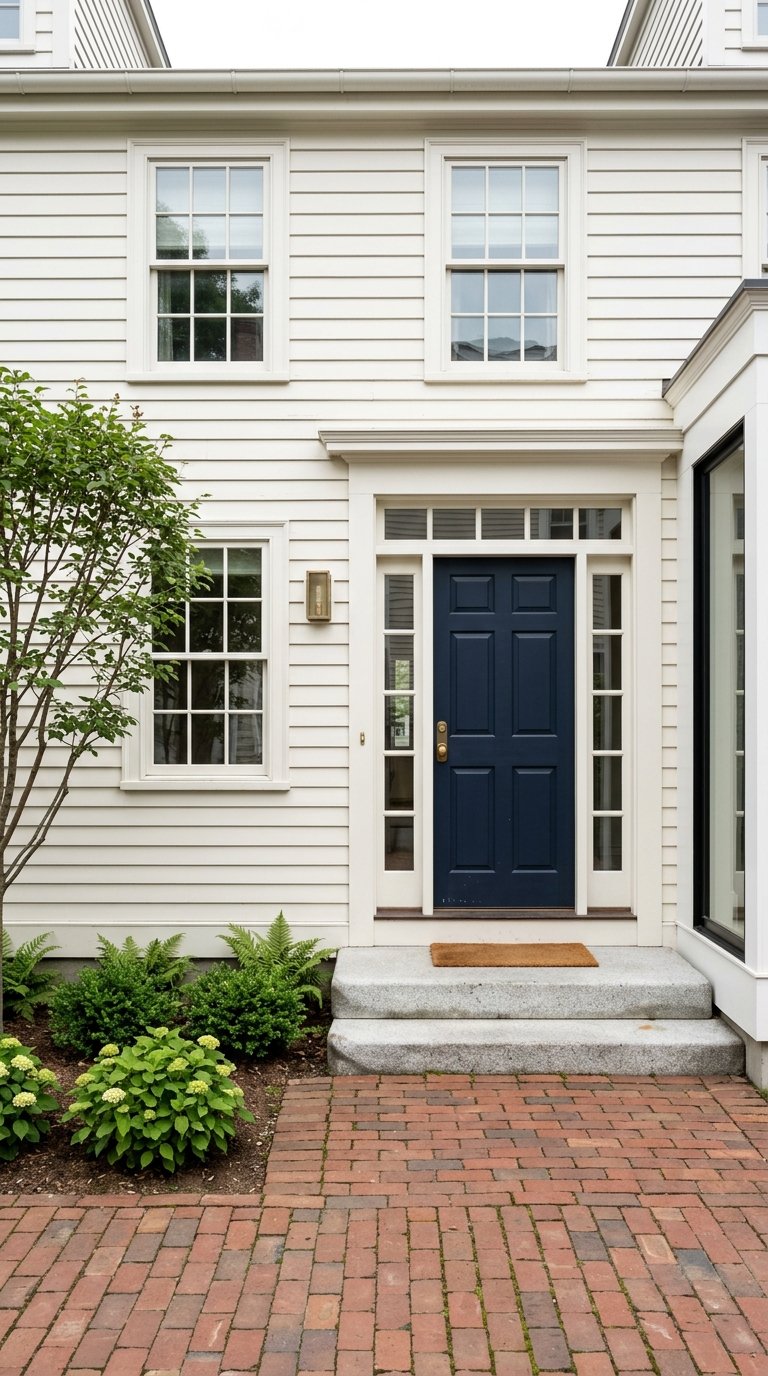
These homes often include one- or two-story houses with side-gabled or hipped roofs and restrained period details like pilasters and sidelights. Specific examples such as the c.1750 Pote House and the c.1800 Pettengill House and Farm show how deeply some properties are tied to Freeport’s earlier building traditions. If you are drawn to homes that feel rooted in place, this can be a major advantage.
Historic homes often deliver character
Older homes tend to offer details that are hard to reproduce in a standardized way. You may find original proportions, timber framing, historic rooflines, or site placement that reflects the town’s earlier development patterns. For many buyers, that character is the whole point.
Historic homes can also feel more individual. Rather than looking like a newer series of homes built around the same time, these properties often reflect decades or even centuries of changes. That can make ownership feel more personal and distinctive.
Historic homes may require more flexibility
The tradeoff is that older homes often come with a less standardized ownership experience. Construction methods, systems, and finishes may vary widely from one home to the next. Some may have had efficiency upgrades over time, while others may still need insulation, air sealing, or window improvements.
The Department of Energy notes that many older homes have less insulation than homes built today. ENERGY STAR says sealing air leaks and adding attic insulation can improve comfort and save up to 10% on annual energy bills. ENERGY STAR also says replacing old, drafty windows with ENERGY STAR certified windows lowers household energy bills by an average of 12%.
Renovation plans can affect your decision
If you are thinking about changing or expanding a historic home, local rules matter. In Freeport’s Village Overlay District, new construction or reconstruction within the overlay may require a Design Standard Certificate before a permit can proceed. That can be an important factor if you want to make visible changes to a property in or near the village core.
This does not mean historic ownership is the wrong fit. It simply means your renovation timeline, approval path, and design options may look different than they would in a newer setting outside the core.
Some projects may qualify for tax incentives
For buyers planning a significant restoration, state historic rehabilitation incentives may be worth discussing early. The Maine Historic Preservation Commission says the state’s Substantial Rehabilitation Credit is a 25% credit for rehabilitations that also qualify for the federal historic preservation tax incentive. It also offers a Small Project Rehabilitation Credit of 25% for certified projects with qualified rehabilitation expenditures between $50,000 and $250,000.
These programs do not apply to every older house. Still, if you are considering a major rehabilitation, they can meaningfully affect the numbers.
What newer builds offer in Freeport
Newer homes usually appeal to buyers who want more predictability. Systems, insulation, and air sealing are typically designed together from the start. That can make a newer home feel easier to manage in the near term, especially if you want fewer immediate projects after move-in.
This is often especially relevant outside the village core, where Freeport’s planning framework allows for different development patterns than in the historic center. In those areas, you may find homes that prioritize simpler layouts, newer mechanical systems, and a more standardized ownership experience.
Newer builds often perform better on efficiency
Energy performance is one of the clearest advantages of newer construction. ENERGY STAR says a new home must meet strict efficiency requirements to earn certification. In its NextGen program, homes are 20% more efficient than typical code-level construction.
In Maine, Efficiency Maine notes that heat pumps are now more common than oil heat in new homes. It also highlights heat pumps for efficient heating, air conditioning, and dehumidification. For many buyers, that translates into a more comfortable indoor environment and fewer near-term upgrade decisions.
Newer homes can mean fewer upfront projects
If you want to move in and focus on your routine rather than a project list, newer homes often have an advantage. Because many older homes need upgrades to close the gap on insulation, windows, or air sealing, a newer build may start closer to current comfort expectations. That does not guarantee zero maintenance, but it can reduce the number of immediate unknowns.
This can be especially appealing if you are relocating, balancing a busy schedule, or simply want a smoother first year of ownership. In those cases, predictability can be just as important as style.
Five questions to help you decide
The best choice often becomes clearer when you focus on how you want to live. In Freeport, these five questions can help you compare options in a practical way.
1. How much character matters to you?
If you want architectural authenticity and a home that feels tied to Freeport’s past, a historic property may be the better fit. If you prefer cleaner lines, simpler systems, and a more uniform ownership experience, a newer build may feel easier.
Neither priority is better than the other. The right answer depends on what you value most every day.
2. How much maintenance are you comfortable owning?
Older homes may require more updates over time, especially around insulation, air sealing, and windows. If the idea of planning improvements feels exciting, that may not be a downside. If you want fewer moving parts, newer construction may better match your comfort level.
If you are considering a pre-1978 home, lead-safe renovation considerations can also become part of the planning process. That is one more reason to look closely at the scope of any future work.
3. Do you want to renovate or expand?
Your future plans should shape your purchase decision now. If you expect to add on, rework exterior elements, or make substantial visible changes, Freeport’s local review requirements may influence both timeline and design options, especially in the Village Overlay District.
If you want a home that already checks most of your boxes, a newer build may reduce the need for those decisions. If you enjoy the idea of thoughtful restoration, a historic home may offer a more rewarding path.
4. How important are operating costs?
Newer homes generally start with stronger efficiency performance. Older homes can improve with upgrades, but those costs may come before you fully enjoy the payoff. Your monthly budget, tolerance for projects, and long-term ownership timeline all matter here.
For older homes, Efficiency Maine’s heat pump rebate program may help soften the cost of qualifying upgrades in existing homes or new construction, provided the equipment and installation meet program requirements. That can make an older home more comfortable over time.
5. Where do you want daily life centered?
This may be the most Freeport-specific question of all. If you want to be closer to the village’s mix of shops, restaurants, events, and historic points of interest, an older home near the core may align with that lifestyle. If you want a more private or lower-density setting, a newer home outside the core may be a better match.
In other words, the decision is often about setting as much as structure. Freeport’s planning framework makes that distinction more noticeable than in many towns.
A simple way to think about it
In Freeport, historic homes are often best for buyers who value place, architectural character, and the process of managing upgrades over time. Newer builds are often best for buyers who prioritize energy efficiency, lower near-term maintenance, and a more predictable ownership experience.
The right choice comes down to your priorities, your timeline, and how hands-on you want to be. If you want a home that tells a story, a historic property may be worth the extra planning. If you want comfort and simplicity from day one, a newer build may be the smarter fit.
A thoughtful local comparison can make all the difference, especially in a town where the village core and outlying areas offer such distinct experiences. If you want help weighing Freeport’s historic homes against newer builds, Melissa McKersie can help you evaluate the options with clear, tailored guidance.
FAQs
What is the main difference between historic homes and newer builds in Freeport?
- In Freeport, the choice is usually about both the house and the setting: historic homes often connect to the village core or historic areas and offer more character, while newer builds often offer better efficiency, simpler systems, and a more standardized ownership experience.
What should buyers know about renovating a historic home in Freeport?
- Buyers should know that projects in the Freeport Village Overlay District may require a Design Standard Certificate before a permit can proceed, so renovation plans can affect both your timeline and design options.
Are older homes in Freeport usually less energy efficient?
- Many older homes have less insulation than homes built today, and they may need upgrades such as air sealing, attic insulation, or window improvements to improve comfort and reduce energy costs.
Do newer homes in Freeport usually have heat pumps?
- Efficiency Maine says heat pumps are now more common than oil heat in new Maine homes, which is one reason newer homes often offer efficient heating, cooling, and dehumidification.
Can a Freeport historic home qualify for tax credits?
- Some projects may qualify, but not every home or renovation will. The Maine Historic Preservation Commission offers a 25% Substantial Rehabilitation Credit for qualifying projects and a 25% Small Project Rehabilitation Credit for certain certified projects with eligible rehabilitation costs.
Is village living in Freeport different from living outside the core?
- Yes. Freeport describes the Village area as a year-round destination with shops, restaurants, lodging, special events, and historic points of interest, while areas outside the core are often more residential or lower density in feel.