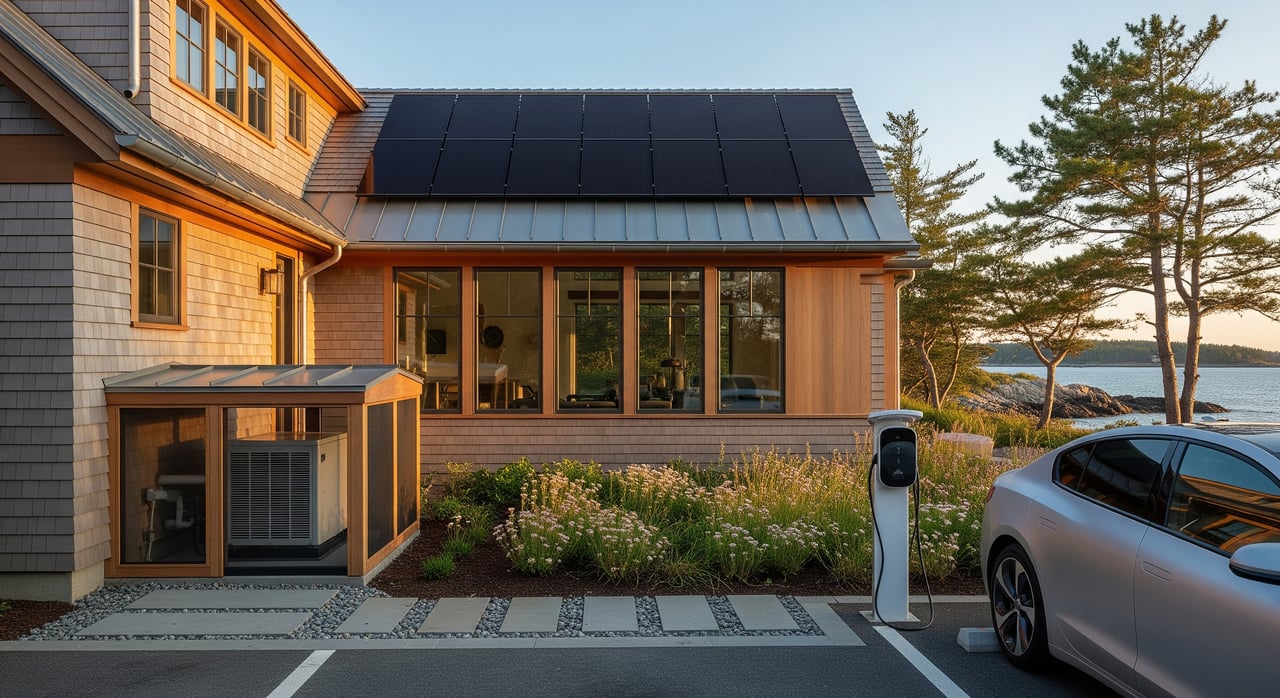
Thinking about listing your Freeport home but unsure which energy upgrades actually move buyers? In coastal southern Maine, comfort and predictable costs matter, especially through long, cold winters. The right improvements can make your home feel warmer, cut operating expenses, and stand out in a competitive market. This guide shows you which upgrades Freeport buyers notice, what they cost, and how to present them so you earn maximum credit. Let’s dive in.
Why efficiency sells in Freeport
Freeport’s winters are long and chilly, and many homes still rely on oil or propane. Buyers look for homes that are comfortable in January and affordable to run when fuel prices swing. They also value resilience and simple, modern systems.
You can meet those needs with targeted upgrades that reduce drafts, add efficient heating, and provide cooling for muggy summer days. Clear documentation and conservative, factual claims build buyer confidence and help justify your asking price.
Upgrades buyers notice most
Heat pumps: dual comfort, lower costs
Cold-climate air-source heat pumps are a top attention-getter. They offer efficient heating compared with electric resistance and can supplement or replace oil and propane in many homes. They also provide cooling, which buyers appreciate more each year.
Options range from ductless minisplits in key rooms to multi-zone or ducted systems for whole-house comfort. In Maine, buyers respond to models rated for cold weather that maintain capacity in low temperatures. Many buyers still like a backup heat source for the coldest spells, so be clear about what remains in place.
Key considerations:
- Size and installation quality are critical. Poorly sized units underperform.
- Aesthetics matter with wall-mounted heads. Plan placement and finishes thoughtfully.
- Pair with air sealing and insulation to get full value in older homes.
Air sealing and insulation: comfort first
Air sealing and insulation deliver immediate comfort and lower bills. They reduce drafts, cold floors, and temperature swings. In Freeport’s climate, an efficient envelope also helps heat pumps shine.
High-impact priorities include attic air sealing and insulation, plus rim-joist and basement band-joist work. Duct sealing and insulation can help homes with forced air systems. Buyers respond to quantifiable results, so pre and post blower-door numbers or estimates of annual savings are powerful.
Windows: performance and character
Windows affect comfort, drafts, and curb appeal. Energy savings from replacement can be modest compared with insulation, but new units can improve comfort and reduce maintenance concerns. In historic homes, repair plus interior or exterior storms can preserve character at lower cost.
If windows are drafty, start with air sealing first for better ROI. For replacements, look for high-performance double-pane low-E units. Triple-pane performs best in cold climates but can come with higher costs, so weigh the tradeoffs for your home and price point.
Smart thermostats: quick win
Smart thermostats signal a modern, energy-conscious home. Buyers like remote control and scheduling features, and the price point is accessible. Savings depend on behavior and system type, but these devices are simple to showcase and easy to include in your listing highlights.
Ensure compatibility with heat pumps or zoned systems and save setup instructions and warranty details for the next owner.
What it costs and how to fund it
Typical cost ranges in Maine
Ballpark figures vary by home and installer, but these ranges can guide your budget:
- Cold-climate ductless minisplit: about $3,000 to $10,000+ per zone, depending on capacity and complexity.
- Whole-house ducted heat pump conversion: roughly $8,000 to $25,000+ based on ductwork and size.
- Attic air sealing and insulation: about $1,500 to $6,000.
- Rim-joist and basement work: commonly $500 to $3,000.
- Window replacement: approximately $400 to $1,200+ per window, with storms at a lower cost.
- Smart thermostat: around $150 to $300+ installed.
Always get local quotes. Prices depend on access, market conditions, and your home’s starting point.
Incentives and rebates to explore
Maine offers a mix of state and federal incentives for heat pumps, insulation, windows, and other efficiency measures. Efficiency Maine provides programs and qualifying equipment lists, often in partnership with utilities such as Central Maine Power. Federal tax credits and new rebate options may also apply under recent legislation.
Program details change, so confirm current eligibility, model requirements, and contractor qualifications before you start. Keep all rebate paperwork, invoices, and model numbers on file.
Choose the right contractor
Look for credentials and proof of quality. For air sealing and audits, BPI or RESNET-trained professionals are strong options. For heat pumps, NATE or manufacturer-certified installers are a smart bet. Ask about load calculations for sizing and, if you have ducts, whether they will be tested and sealed.
Quality indicators buyers notice include pre and post blower-door reports, itemized invoices with model numbers, and transferable warranties or service agreements. Avoid quotes without proper sizing or clear scope.
Permits, ventilation, and historic homes
Many HVAC and electrical projects require permits through Freeport Code Enforcement or county authorities. Confirm requirements before work begins to avoid delays.
When tightening a home, plan for ventilation and moisture management. In well-sealed homes, mechanical ventilation such as a heat-recovery ventilator may be appropriate. If your property is in a historic district or has design review, window changes and outdoor equipment placement may need approval.
How to showcase upgrades in your listing
What to include in MLS
Lead with facts buyers can verify. Keep it concise and specific:
- “2021 cold-climate heat pump added, 3 zones; 2023 attic air sealing and R-38 blown-in insulation; smart thermostats (2023).”
- “Energy audit completed. Blower-door tightened from X ACH50 to Y ACH50. Report on file.”
- “Installer invoices, warranties, and rebate approvals available on request.”
Prepare a simple PDF packet with receipts, model numbers, rebate letters, warranty details, and contact information for installers.
Frame savings responsibly
Be conservative and transparent. Instead of bold promises, use phrasing like: “Estimated heating cost reduction based on installer’s audit; sample bills available on request.”
Clarify whether the heat pump provides primary heat in specific areas or whole-house coverage, and whether a backup system remains in place. Share assumptions used in any estimate, such as fuel type and thermostat setpoints.
Showing-day talking points
- Demonstrate the heat pump’s quiet operation and cooling benefit.
- Open the smart thermostat app or interface to show schedules and remote control.
- Point out visible insulation improvements, attic access labels, or contractor tags.
Due diligence packet
Have this ready for buyers and their agents:
- Itemized invoices with model numbers, installation dates, and serials.
- Rebate approval letters and proof of payment or credit guidance.
- Warranty documentation and any service plans.
- Pre and post audit results and estimated annual energy savings.
Quick pre-list checklist
- Identify the top two high-impact upgrades for your home’s age and layout.
- Confirm permits, warranty transfer steps, and final inspections are complete.
- Gather invoices, rebate paperwork, and a one-page “home energy summary.”
- Photograph upgrades and label locations for showings.
- Prepare conservative savings language and sample utility bills.
The bottom line for Freeport sellers
In Freeport and nearby coastal towns, buyers value year-round comfort, manageable operating costs, and modern, well-documented systems. Heat pumps, targeted air sealing and insulation, strategic window choices, and smart thermostats consistently make a strong impression. When you pair the right upgrades with clear documentation and balanced messaging, you help buyers feel confident and ready to act.
If you want tailored guidance, vendor referrals, or help packaging your home’s energy story for premium exposure, reach out to Melissa McKersie. Let’s create a listing plan that highlights your upgrades and maximizes your market moment.
FAQs
What energy upgrades do Freeport buyers value most?
- Cold-climate heat pumps, targeted air sealing and insulation, well-chosen window solutions, and smart thermostats consistently stand out in this coastal Maine market.
Will a heat pump replace my oil or propane system?
- It depends on your home and system design; many sellers keep oil or propane as backup while heat pumps provide primary heat in main living areas and cooling in summer.
How should I document my upgrades for buyers?
- Keep itemized invoices, rebate approvals, model numbers, warranties, and pre and post audit results, and compile them into a simple PDF for the listing packet.
What should I say about savings in my listing?
- Use conservative, verifiable language such as “estimated savings based on installer audit” and share assumptions and sample utility bills upon request.
Do I need permits for these projects in Freeport?
- Many HVAC, electrical, and structural changes require permits, so confirm requirements with Freeport Code Enforcement before work begins.
How do I choose the right installer for heat pumps or insulation?
- Favor BPI or RESNET-trained auditors and NATE or manufacturer-certified HVAC installers, and ask for load calculations, test results, and transferable warranties.