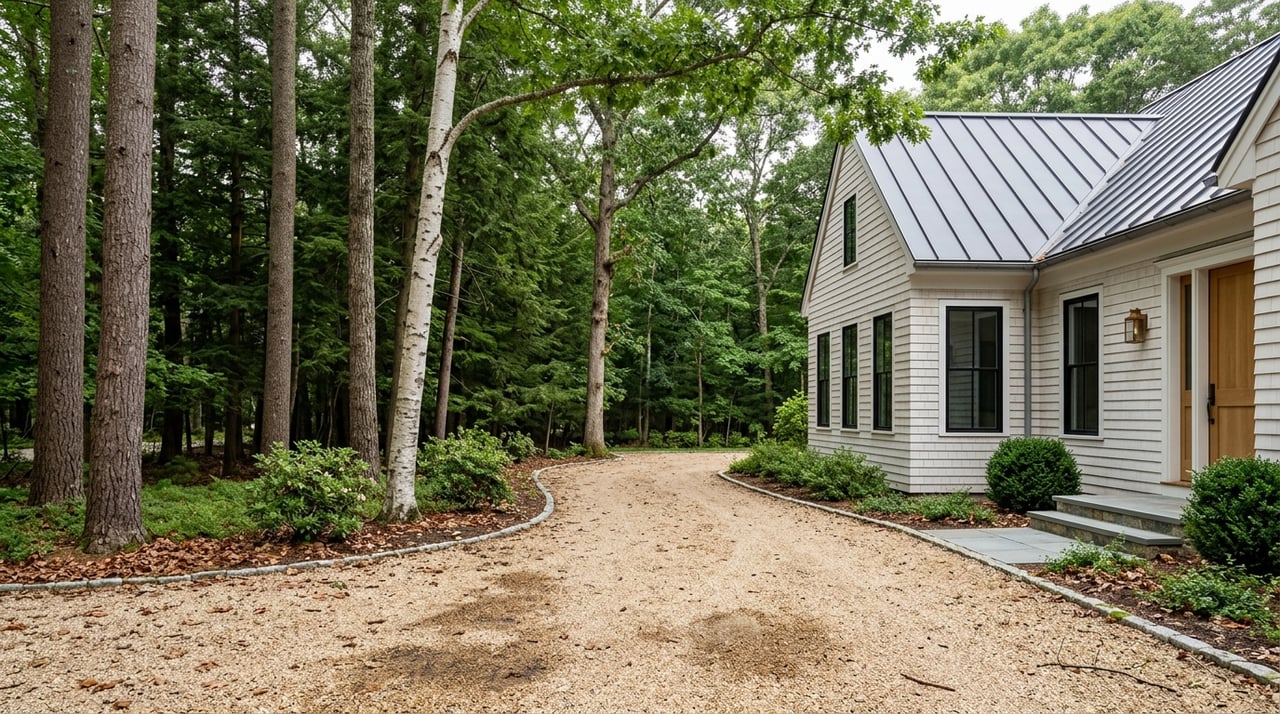
Looking for more land, more quiet, and a little more breathing room without feeling cut off from everything? That balance can be hard to find, especially in Greater Portland, where many buyers want privacy but still need an easy connection to daily life. If Cumberland Center is on your radar, it helps to understand how lot size, zoning, utilities, and long-term upkeep shape the experience of buying here. Let’s dive in.
Why Cumberland Center Stands Out
Cumberland offers a rare mix of open space and convenience. The town is about 11 miles northeast of Portland and about 11 miles southwest of Freeport, and Cumberland Center sits near the geographic middle of town as its civic and educational hub. The town also describes the center as having walkable conveniences such as a store, cafés, a library, a credit union, and a post office.
For buyers focused on space and privacy, that matters. You can look for a property with more acreage and separation from neighbors while still staying connected to everyday essentials. In many cases, that is exactly what makes Cumberland Center so appealing.
The town’s identity is also closely tied to land conservation and open space. Cumberland maintains maps for open space, farm and agricultural land, rural growth, habitat, aquifer, FEMA, and shoreland zoning. Local conservation efforts also highlight places such as Broad Cove Reserve, Rines Forest, Town Forest, Twin Brook, and Knight’s Pond Preserve.
Privacy Here Is About the Land
In Cumberland, privacy is not just about how far the next house sits from yours. It is often about the character of the land itself, including woods, topography, frontage, and how the parcel fits into the broader rural setting. Town planning documents note that large residential parcels may still function like rural land, supporting habitat, water quality protection, recreation, and even some food and fiber production.
That is an important mindset shift if you are comparing Cumberland to more compact suburban markets. A property here may deliver value not only through the home, but through the feel, usability, and long-term character of the lot. When buyers understand that early, they tend to make better decisions.
What the Market Suggests
Cumberland remains a premium market within Cumberland County. Public market data reported a March 2026 median sale price of $742,000 for Cumberland, while Realtor.com showed a $670,000 median listing price, a 99% sale-to-list ratio, 20 homes for sale, and 33 median days on market. Cumberland County as a whole was lower, with a $592,000 median sale price in March 2026.
The takeaway is fairly simple. Buyers are often paying a premium for Cumberland’s mix of land, privacy, and location, and well-positioned homes can still draw strong interest. If you are shopping here, it helps to be clear about which features truly matter most to you.
Why Lot Size Matters in Cumberland
A large part of Cumberland’s housing supply is shaped by its rural-residential land base. According to the town’s land-use chapter, 94% of town land is in residential districts, and 79% of that residential land is in the two rural residential districts. It also states that most land in town is zoned for residential use with lots of 2 to 4 acres.
For buyers, that means larger parcels are not unusual here, but they are still highly meaningful. The size of the lot can affect privacy, maintenance, utility options, future plans, and resale appeal. Two homes at a similar price point can offer very different ownership experiences depending on the land.
Zoning Can Shape Your Options
Before you fall in love with a big lot, it is smart to confirm the zoning district. Cumberland’s zoning table shows that in RR1, the minimum lot size is 4 acres, or 2 acres with sewer connection. In RR2, the minimum lot size is 2 acres, and both RR1 and RR2 require 200 feet of frontage.
These rules matter because they help define the kind of privacy a property may offer and what you may or may not be able to do with the land. A parcel that feels expansive today may still have meaningful limitations tied to frontage, setbacks, infrastructure, or district standards. In this market, lot size is only part of the story.
Bigger Parcels Do Not Guarantee Flexibility
Some buyers assume that more acreage automatically means easier subdivision or expansion later. In Cumberland, that is not always the case. The town’s conservation-subdivision rules apply in RR1 and RR2, clustered subdivisions are not permitted in those districts, and the minimum lot size in a conservation subdivision is tied to 50% of the gross parcel area divided by the number of lots.
In practical terms, a large parcel should not be viewed as automatic future development potential. If that possibility matters to you, it deserves careful review before you move forward. This is one of the clearest places where local due diligence can protect your long-term plans.
Commute and Convenience Still Matter
One of Cumberland Center’s strongest advantages is that it lets you look for more space without leaving the broader Portland commute zone. That said, your day-to-day experience will depend on the exact property, your destination, and seasonal driving conditions. A Cumberland address can mean different things depending on the route.
If you are relocating or buying from out of town, it is worth testing the drive instead of relying on a map pin alone. The right home for privacy should still support your real routine. That includes work, errands, activities, and winter travel.
Check Water and Sewer by Address
Infrastructure in Cumberland should be verified property by property. The town’s sewer-connections page lists only specific streets and subdivisions with sewer documentation, and the town’s public-facilities chapter notes that public water is supplied by Portland Water District. Because access varies by address, you should confirm utility status rather than assume it.
This can make a major difference in both cost and convenience. Public utilities may simplify certain aspects of ownership, while private systems can come with more hands-on responsibility. Either can work well, but you want to know what you are buying.
What Private Systems Mean for Maintenance
If a home relies on septic and a private well, routine upkeep becomes part of the ownership picture. EPA guidance says a typical household septic system should be inspected at least every three years and pumped every three to five years. The CDC says private wells are the owner’s responsibility and recommends a yearly well checkup, and Maine CDC offers help to private well owners with water-sampling and treatment questions.
That does not mean private systems are a problem. It simply means they require attention, budgeting, and a clear understanding of maintenance needs. Buyers who plan for that from the start usually feel much more comfortable after closing.
Large Lots Often Mean More Ongoing Work
Wooded and semi-rural properties can be beautiful, but they often come with more recurring outdoor maintenance. Depending on the parcel, that may include brush cleanup, tree work, drainage review, driveway upkeep, and snow clearing. These are not reasons to avoid a larger property, but they are real factors to account for.
Cumberland does offer practical local support, including a resident brush dump facility. The town’s planning maps also include aquifer, habitat, FEMA, and shoreland layers, which are worth reviewing before you get too far into a purchase. Those details can affect both current use and future plans.
Tax Classification Is Worth Reviewing Early
If a property is enrolled in Tree Growth, Farm, or Open Space classification, make sure you understand how that status affects taxes. Cumberland’s assessor page explains that these classifications are based on current use rather than fair market value. It also notes that a change in use can trigger a supplemental tax penalty.
For some buyers, these classifications may be a benefit worth preserving. For others, they may create questions about future changes to the land. Either way, it is better to evaluate that early than be surprised later.
What Strong Resale Appeal Looks Like
In this niche, the strongest resale profile is often private but not isolated. Buyers tend to respond well to usable acreage, clear access, confirmed utility status, and enough proximity to Cumberland Center’s conveniences to avoid feeling remote. That balance supports both daily livability and long-term demand.
Cumberland’s preserved open-space network also reinforces the appeal of properties that feel tucked away while still connected. When you buy here, it helps to think like both an owner and a future seller. The properties that hold attention over time are usually the ones that combine setting, function, and practical clarity.
Questions to Ask Before You Buy
If you are searching for space and privacy in Cumberland Center, these are some of the most important questions to answer early:
- What zoning district is the property in, and what is the minimum lot size there?
- Is the home served by public sewer and water, or does it rely on septic and a private well?
- If the parcel is large or wooded, what ongoing maintenance will likely be required?
- Are there wetlands, aquifer, shoreland, habitat, or FEMA-related constraints to review?
- Is there any realistic future subdivision or expansion potential under current local rules?
A thoughtful purchase in Cumberland is about more than finding a beautiful house. It is about understanding the land as a long-term asset and choosing a property that fits how you want to live.
If you are considering a move to Cumberland Center and want experienced, local guidance on how to evaluate land, privacy, and resale potential, Melissa McKersie offers the kind of hands-on, boutique support that can make the process clearer and more confident.
FAQs
What makes Cumberland Center appealing for buyers who want privacy?
- Cumberland Center offers a mix of larger-lot living, preserved open space, and proximity to daily conveniences in town, which can help you find privacy without feeling too far removed.
What should buyers know about lot sizes in Cumberland, Maine?
- Much of Cumberland’s residential land is in rural residential districts, and many lots are in the 2- to 4-acre range, with zoning rules that can affect privacy, frontage, and future use.
What are the zoning minimums for rural residential property in Cumberland?
- In RR1, the minimum lot size is 4 acres, or 2 acres with sewer connection; in RR2, the minimum lot size is 2 acres, and both districts require 200 feet of frontage.
What utilities should buyers verify for a Cumberland property?
- You should confirm whether the home has public sewer and public water or relies on septic and a private well, because utility access in Cumberland varies by address.
What maintenance comes with a large or wooded lot in Cumberland?
- Large or semi-rural parcels often require more brush cleanup, tree work, drainage review, driveway upkeep, and snow clearing than more compact properties.
What should buyers know about tax classifications on Cumberland land?
- If land is enrolled in Tree Growth, Farm, or Open Space classification, the tax treatment is based on current use, and a later change in use can trigger a supplemental tax penalty.
Can a large parcel in Cumberland always be subdivided later?
- No. Large acreage does not automatically mean easy subdivision potential, because local conservation-subdivision rules and zoning standards can significantly limit future flexibility.